Does investment in property still promise profits?

Investing in property can still be profitable in 2024, but success depends on various factors, including location, market trends, and regulatory changes.

Market Trends

The French property market has shown signs of stabilization after a challenging period. In early 2024, mortgage rates have begun to decline, with average rates around 3.09% for 10-year loans, enhancing buyers’ purchasing power. Additionally, the market has seen increased transactions and a slight uptick in prices, indicating a recovery.

Regional Opportunities

Certain regions in France present promising investment opportunities:

  • Île-de-France (Paris Region): Despite high property prices, Paris remains a cultural and economic hub, attracting investors seeking long-term appreciation.
  • French Alps: The region continues to draw investors due to year-round tourism, with 18.3 million overnight stays in winter 2024, a slight increase from the previous year.
  • Lille: Property prices have risen by 7% since 2023, driven by urban development projects and strong demand from students and young professionals.

Regulatory Considerations

Investors should be aware of regulatory changes affecting rental properties. Stricter rental regulations introduced in 2025 require mandatory online declarations and enforce enhanced fire safety standards, impacting the profitability of short-term rental investments.

Conclusion

While property investment in France can still yield profits in 2025, it’s essential to conduct thorough research, consider regional dynamics, and stay informed about regulatory changes to make informed investment decisions.

Posted in Property Management | Leave a comment

The Future of Property Management: Adapting to a Changing Real Estate Landscape

The property management industry is undergoing significant transformations, driven by technological advancements, evolving tenant expectations, and shifts in regulatory frameworks. To remain competitive and effective, property managers must adapt to these changes.

1. Embracing Technological Innovations

Modern technology is revolutionizing property management by automating routine tasks and enhancing operational efficiency. Property management software now streamlines processes such as rent collection, maintenance scheduling, and tenant communications, reducing manual workloads and minimizing errors. (forbes.com)

Artificial Intelligence (AI) is also making significant inroads, offering predictive analytics for maintenance needs and tenant behaviors, thereby enabling proactive management strategies. (bgsf.com)

2. Enhancing Tenant Experiences

Today’s tenants seek more than just a place to live; they desire seamless and responsive services. Digital platforms that facilitate easy communication, online rent payments, and swift maintenance requests are becoming standard expectations. By leveraging these technologies, property managers can improve tenant satisfaction and retention rates. (byrdpm.com)

3. Prioritizing Sustainability

Environmental considerations are increasingly influencing property management practices. Implementing energy-efficient systems, sustainable materials, and green building certifications not only appeal to eco-conscious tenants but also reduce operational costs in the long term. (theinspiringjournal.com)

4. Navigating Regulatory Changes

The legal landscape surrounding property management is continually evolving. For instance, the UK government’s proposed ban on new leasehold flats in favor of commonhold aims to give residents more control over their properties. Property managers must stay informed about such regulatory shifts to ensure compliance and adapt their practices accordingly. (thetimes.co.uk)

5. Leveraging Data Analytics

Data-driven decision-making is becoming a cornerstone of effective property management. By analyzing trends in tenant preferences, market dynamics, and property performance, managers can make informed choices that enhance profitability and tenant satisfaction. (bgsf.com)

6. Fostering Community Engagement

Building a sense of community within properties can significantly impact tenant satisfaction and retention. Organizing events, creating shared spaces, and facilitating tenant interactions contribute to a positive living environment, encouraging long-term occupancy. (bradyrglasvegas.com)

In conclusion, the future of property management lies in the ability to adapt to technological advancements, prioritize tenant experiences, embrace sustainability, navigate regulatory changes, leverage data analytics, and foster community engagement. By staying proactive and responsive to these evolving factors, property managers can thrive in the changing property landscape.

Posted in Property Management | Leave a comment

Risk Management in Property Investment: Identifying and Mitigating Potential Pitfalls

Investing in property offers the potential for substantial returns, but it also comes with inherent risks. Effective risk management is crucial to safeguard investments and ensure long-term profitability. This article explores common pitfalls in property investment and strategies to mitigate them.

Common Pitfalls in Property Investment

  1. Overpaying for Properties Purchasing a property at an inflated price can hinder profitability, especially if rental income fails to cover expenses like mortgage payments, property taxes, and maintenance costs. (accountinginsights.org)
  2. Inadequate Due Diligence Failing to thoroughly research a property’s history, location, and potential risks can lead to unforeseen issues, impacting investment returns. (blog.kurby.ai)
  3. Lack of Diversification Concentrating investments in a single property type or location increases exposure to market downturns, affecting overall portfolio performance.
  4. Underestimating Expenses Overlooking costs such as maintenance, repairs, and vacancies can lead to cash flow problems and reduced profitability.
  5. Ignoring Market Trends Disregarding local market conditions and trends can result in poor investment decisions, affecting property values and rental demand.

Strategies to Mitigate Risks

  1. Conduct Thorough Market Research Analyze local market trends, property values, and economic indicators to make informed investment decisions.
  2. Perform Detailed Property Inspections Engage qualified professionals to assess the property’s condition, identifying potential issues that could lead to unexpected expenses.
  3. Diversify Your Portfolio Invest in various property types and locations to spread risk and reduce the impact of market fluctuations.
  4. Maintain Financial Reserves Set aside funds to cover unforeseen expenses, such as emergency repairs or prolonged vacancies, ensuring financial stability.
  5. Stay Informed About Legal and Regulatory Changes Keep abreast of changes in property laws, zoning regulations, and tax policies to ensure compliance and avoid legal complications.
  6. Implement Effective Property Management Ensure proper maintenance protocols, tenant screening processes, and responsive management to preserve property value and tenant satisfaction. (baldwin.com)

By recognizing common pitfalls and implementing robust risk management strategies, property investors can enhance the likelihood of achieving sustained success and profitability in their ventures.

Posted in Property Management | Leave a comment

Enhancing Tenant Relations: Best Practices for Property Managers

Establishing and maintaining positive relationships with tenants is fundamental to successful property management. Strong tenant relationships lead to higher satisfaction, increased retention rates, and a harmonious living environment. Here are some best practices for property managers to enhance tenant relationships:

1. Clear and Open Communication

Effective communication is the cornerstone of any strong relationship. Property managers should:

  • Be Accessible: Ensure tenants can reach you easily through various channels, such as phone, email, or a property management portal.
  • Provide Timely Responses: Address tenant inquiries and concerns promptly to demonstrate respect and commitment.
  • Set Clear Expectations: Clearly outline policies, procedures, and any changes to avoid misunderstandings.

Open communication fosters trust and helps in promptly resolving issues, contributing to tenant satisfaction. (1choicepropertymanagement.com)

2. Proactive Maintenance and Repairs

Regular upkeep of the property is crucial. Property managers should:

  • Conduct Routine Inspections: Identify and address maintenance issues before they escalate.
  • Respond Quickly to Repair Requests: Timely attention to maintenance requests shows tenants that their comfort is a priority.

A well-maintained property not only retains its value but also ensures tenant comfort and safety. (rentsimplepm.com)

3. Respect Tenant Privacy

Acknowledging tenants’ privacy is essential. Property managers should:

  • Provide Notice Before Entry: Inform tenants in advance before entering their units, adhering to local laws and regulations.
  • Limit Intrusions: Schedule maintenance and inspections at convenient times to minimize disruptions.

Respecting privacy fosters mutual respect and trust between property managers and tenants. (rcpmanagement.com)

4. Foster a Sense of Community

Creating a community atmosphere can enhance tenant satisfaction. Property managers can:

  • Organize Events: Host social events or community gatherings to encourage tenant interaction.
  • Create Shared Spaces: Develop common areas where tenants can socialize and relax.

A strong community can lead to longer tenancies and a more pleasant living environment. (rcpmanagement.com)

5. Implement Fair and Consistent Policies

Consistency in enforcing rules and policies ensures fairness. Property managers should:

  • Apply Rules Equally: Ensure all tenants are aware of and adhere to property rules.
  • Be Transparent: Clearly communicate any policy changes or updates.

Fair treatment fosters a positive atmosphere and reduces potential conflicts. (skybridgeproperty.com)

6. Seek and Act on Feedback

Encouraging tenant feedback can lead to improvements. Property managers should:

  • Conduct Surveys: Regularly solicit tenant opinions on property management and amenities.
  • Implement Suggestions: Act on feasible tenant suggestions to show that their opinions are valued.

Engaging with tenant feedback demonstrates a commitment to continuous improvement. (rcpmanagement.com)

7. Stay Informed About Legal Obligations

Understanding and adhering to landlord-tenant laws is crucial. Property managers should:

  • Stay Updated: Keep abreast of changes in rental laws, market trends, and property management best practices.
  • Educate Tenants: Inform tenants about their rights and responsibilities to prevent misunderstandings.

Compliance with legal obligations protects both the property manager and tenants, ensuring a fair and lawful rental process. (chicagospropertymanagement.com)

By implementing these best practices, property managers can cultivate strong, positive relationships with tenants, leading to a more successful and harmonious property management experience.

Posted in Uncategorized | Leave a comment

Navigating Legal Challenges in Property Management

Navigating the legal landscape of property management requires a comprehensive understanding of various regulations and proactive strategies to mitigate potential liabilities. Key areas of focus include:

1. Compliance with Fair Housing Laws

Property managers must adhere to federal, state, and local fair housing laws that prohibit discrimination based on race, color, national origin, religion, sex, familial status, or disability. Violations can lead to severe penalties and legal actions. (rentalready.com)

2. Transparent Fee Structures

Implementing clear and upfront fee disclosures is essential to avoid deceptive practices. Recent legal actions, such as the FTC’s lawsuit against Greystar for hidden fees, highlight the importance of transparency in fee structures. (apnews.com)

3. Proper Tenant Screening Procedures

While screening tenants is crucial, it must be conducted in compliance with legal standards to avoid discriminatory practices. Establishing consistent and fair screening criteria helps in selecting reliable tenants without violating fair housing laws. (rentalready.com)

4. Maintenance of Safe and Habitable Properties

Ensuring that properties meet health and safety standards is a legal obligation. Promptly addressing maintenance requests and conducting regular inspections can prevent potential legal disputes related to property conditions. (rentalready.com)

5. Secure Handling of Tenant Information

Property managers collect sensitive personal data, necessitating robust data protection measures to prevent breaches and associated liabilities. Implementing secure storage solutions and limiting access to authorized personnel are critical steps. (yardibreeze.com)

6. Accurate Record-Keeping

Maintaining detailed records of all transactions, communications, and property-related activities is vital. Comprehensive documentation can serve as evidence in legal disputes and demonstrate compliance with regulatory requirements. (bfpminc.com)

7. Adherence to Eviction Procedures

Evictions must be handled in strict accordance with legal protocols to avoid wrongful eviction claims. Providing proper notice and following due process are essential to mitigate legal risks. (byrdpm.com)

8. Regular Legal Audits and Training

Conducting periodic legal audits and providing ongoing training for property management staff can ensure compliance with evolving laws and regulations. Staying informed about legal changes and industry best practices is crucial for effective property management. (pickspace.com)

By focusing on these areas, property managers can navigate legal challenges effectively, maintain compliance, and foster positive relationships with tenants.

Posted in Property Management | Leave a comment

The Role of Technology in Modern Property Management

Here are some key strategies to maximize returns on property investment:

1. Choose the Right Location

Invest in areas with strong job markets, good schools, low crime rates, and future development plans. Properties in high-demand locations tend to appreciate faster and attract quality tenants.

2. Diversify Your Portfolio

Avoid putting all your money into one type of property. Consider a mix of residential, commercial, and vacation rentals to balance risks and returns.

3. Leverage Financing Wisely

Use mortgage options strategically to maximize cash flow. Low-interest loans and refinancing can free up capital for further investments.

4. Add Value Through Renovations

Upgrading kitchens, bathrooms, and curb appeal can significantly increase property value and rental income. Focus on cost-effective improvements with high returns.

5. Optimize Rental Income

Set competitive rental rates based on market research. Consider short-term rentals, furnished units, or offering amenities that justify higher rents.

6. Minimize Vacancy Rates

Screen tenants carefully, maintain the property well, and market effectively to reduce the time a unit sits empty. Offering incentives like flexible lease terms can attract long-term tenants.

7. Take Advantage of Tax Benefits

Real estate investors can benefit from deductions on mortgage interest, depreciation, repairs, and property management fees, reducing taxable income.

8. Utilize Property Management Services

Hiring a property management company can streamline operations, ensure timely rent collection, and handle tenant issues, improving efficiency.

9. Monitor Market Trends

Stay updated on economic conditions, interest rates, and real estate trends. Adjust strategies accordingly to maximize profits.

10. Plan for the Long Term

Real estate investment is most profitable when approached with a long-term perspective. Building equity, compounding rental income, and strategic reinvestment yield the best results over time.

Would you like me to expand on any specific strategy?

4o

You said:

The Role of Technology in Modern Property Management

ChatGPT said:

Technology has significantly transformed modern property management, introducing tools and systems that enhance efficiency, improve tenant experiences, and streamline operations. Key technological advancements include:

1. Automation and Efficiency

Property management software automates routine tasks such as lease tracking, maintenance scheduling, and accounting. This automation reduces manual errors and frees up time for property managers to focus on strategic activities.

forbes.com

2. Enhanced Communication

Digital platforms facilitate real-time communication between property managers and tenants. Online portals and mobile apps allow tenants to submit maintenance requests, pay rent, and receive updates, ensuring seamless interactions and faster response times.

npmgonline.com

3. Data Analytics and Decision-Making

Advanced data analytics provide property managers with insights into market trends, tenant behaviors, and operational performance. This data-driven approach supports informed decision-making and strategic planning.

forbes.com

4. Smart Home Technologies

The integration of smart devices, such as thermostats, lighting, and security systems, enhances tenant comfort and can lead to operational cost savings. These technologies allow for remote monitoring and management, contributing to more efficient property operations.

33realty.com

5. Virtual and Augmented Reality

Virtual tours and augmented reality applications enable prospective tenants to explore properties remotely, streamlining the leasing process and reaching a broader audience.

rentpost.com

6. Online Payment Systems

Secure online payment platforms facilitate timely rent collection and reduce the administrative burden associated with processing checks or cash payments. This convenience benefits both tenants and property managers.

rentpost.com

7. Predictive Maintenance

IoT sensors and predictive analytics can anticipate maintenance needs before issues become critical, reducing downtime and repair costs. Proactive maintenance strategies enhance the longevity of property assets and tenant satisfaction.

rentpost.com

8. Tenant Screening and Management

Advanced algorithms and data analysis tools assist in screening potential tenants, assessing creditworthiness, and predicting rental behaviors, leading to more reliable tenant placements.

rentpost.com

By embracing these technological advancements, property managers can optimize operations, enhance tenant satisfaction, and maintain a competitive edge in the evolving real estate landscape.

Sources
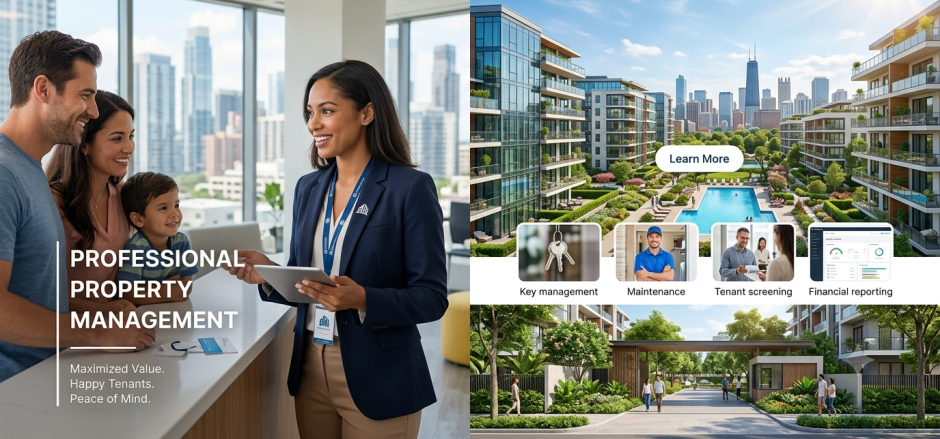
Posted in Property Management | Leave a comment

Diversifying Your Portfolio: Exploring Different Property Investment Options

Diversifying your property investment portfolio is a crucial strategy to mitigate risks and enhance returns. By allocating investments across various property types, geographic locations, and investment vehicles, you can build a resilient portfolio capable of withstanding market fluctuations. Here’s how you can achieve diversification:

1. Invest in Different Property Types

Allocating funds across various property types can reduce exposure to sector-specific risks:

  • Residential Properties: Investments in single-family homes, apartments, or condominiums offer steady rental income and potential appreciation.
  • Commercial Properties: Office buildings, retail spaces, and industrial properties can provide higher returns but may involve greater risk and require more substantial capital.
  • Specialized Properties: Assets like student housing, senior living facilities, or medical offices cater to specific demographics, potentially offering stable income streams.

Diversifying by property type ensures that downturns in one sector do not disproportionately affect your entire portfolio. (kiplinger.com)

2. Diversify Geographically

Spreading investments across different regions or countries can protect against localized economic downturns:

  • Local Diversification: Investing in various neighborhoods or cities within your country can balance regional economic shifts.
  • International Diversification: Exploring overseas markets can provide exposure to emerging economies and different growth cycles.

Geographic diversification helps mitigate risks associated with local market volatility. (kiplinger.com)

3. Utilize Various Investment Vehicles

Incorporating different investment structures can enhance liquidity and accessibility:

  • Direct Ownership: Purchasing properties outright offers control but requires significant capital and management efforts.
  • Real Estate Investment Trusts (REITs): These allow investment in real estate portfolios without direct ownership, providing liquidity and diversification.
  • Crowdfunding Platforms: Pooling resources with other investors enables participation in larger projects with relatively lower capital.

Diversifying investment vehicles can balance the benefits and drawbacks of each method. (digonzini.com)

4. Vary Investment Strategies

Employing multiple approaches can further diversify your portfolio:

  • Buy and Hold: Acquiring properties to generate long-term rental income and appreciation.
  • Fix and Flip: Purchasing undervalued properties, renovating them, and selling for a profit.
  • Development Projects: Investing in new constructions or significant renovations for substantial returns.

Combining different strategies can optimize returns and spread risk. (biggerpockets.com)

5. Consider Economic and Market Conditions

Aligning your investments with current economic trends can enhance diversification:

  • Market Cycles: Understanding property market cycles helps in timing investments appropriately.
  • Economic Indicators: Monitoring interest rates, employment rates, and GDP growth can inform investment decisions.

Staying informed about economic conditions aids in making strategic investment choices. (mayfairpropertymanagement.com)

By thoughtfully diversifying your property investment portfolio across these dimensions, you can achieve a balanced approach that mitigates risks and capitalizes on various market opportunities.

Posted in Property Management, Uncategorized | Leave a comment

“Emerging Trends in Property Management for 2025”

The property management industry is undergoing significant transformations as we approach 2025, influenced by technological advancements, evolving tenant expectations, and shifts in the real estate market. Key trends shaping the future of property management include:

1. Integration of Artificial Intelligence (AI) and Automation

Property managers are increasingly adopting AI-driven automation to enhance operational efficiency. Tasks such as inventory management, predictive maintenance, and data analysis are being streamlined through AI, reducing human error and enabling data-driven decision-making. (proprli.com)

2. Emphasis on Sustainability and Energy Efficiency

Environmental concerns are prompting property managers to implement eco-friendly practices. This includes using sustainable materials, investing in energy-efficient appliances, and adopting waste reduction programs, aligning with global environmental goals and attracting environmentally conscious tenants. (proprli.com)

3. Adoption of PropTech Solutions

The rise of property technology (PropTech) is revolutionizing property management. Innovations such as virtual reality tours, online management platforms, and automated rent collection systems are enhancing tenant experiences and streamlining operations. (proprli.com)

4. Adaptation to Remote and Hybrid Work Models

The shift towards remote and hybrid work arrangements has altered the demand for commercial real estate. Property managers are responding by offering flexible office spaces and shorter lease terms to accommodate businesses seeking adaptable work environments. (proprli.com)

5. Growth of Build-to-Rent (BTR) Developments

The build-to-rent sector is expanding, particularly in urban areas where homeownership is less attainable. BTR developments offer renters the benefits of homeownership without long-term commitments, meeting the needs of a growing rental demographic. (proprli.com)

6. Focus on Resident Experience and Community Building

Property managers are prioritizing tenant satisfaction by fostering community engagement and offering amenities that enhance the living experience. This approach not only improves retention rates but also adds value to the property. (buildium.com)

7. Implementation of Advanced Data Analytics

Leveraging data analytics allows property managers to gain insights into market trends, tenant behaviors, and operational efficiencies. This data-driven approach supports strategic decision-making and competitive positioning. (buildium.com)

8. Embracing Smart Home Technologies

The integration of smart home technologies, such as IoT devices for climate control and security, is becoming standard. These features enhance tenant comfort and can lead to operational cost savings. (criproperties.com)

9. Navigating Regulatory Changes

Property managers must stay informed about evolving regulations related to housing, sustainability, and tenant rights. Proactive compliance ensures legal adherence and fosters trust with tenants and stakeholders. (condocontrol.com)

10. Enhancing Financial Management Practices

With economic uncertainties, property managers are focusing on robust financial strategies, including cost management, diversified revenue streams, and transparent financial reporting, to maintain profitability and resilience. (condocontrol.com)

By embracing these emerging trends, property management professionals can effectively navigate the evolving landscape, ensuring operational excellence and sustained growth in 2025 and beyond.

Posted in Property Management | Leave a comment

“Maximizing Returns: Effective Strategies for Property Investment”

Here are some key strategies to maximize returns on property investment:

1. Choose the Right Location

Invest in areas with strong job markets, good schools, low crime rates, and future development plans. Properties in high-demand locations tend to appreciate faster and attract quality tenants.

2. Diversify Your Portfolio

Avoid putting all your money into one type of property. Consider a mix of residential, commercial, and vacation rentals to balance risks and returns.

3. Leverage Financing Wisely

Use mortgage options strategically to maximize cash flow. Low-interest loans and refinancing can free up capital for further investments.

4. Add Value Through Renovations

Upgrading kitchens, bathrooms, and curb appeal can significantly increase property value and rental income. Focus on cost-effective improvements with high returns.

5. Optimize Rental Income

Set competitive rental rates based on market research. Consider short-term rentals, furnished units, or offering amenities that justify higher rents.

6. Minimize Vacancy Rates

Screen tenants carefully, maintain the property well, and market effectively to reduce the time a unit sits empty. Offering incentives like flexible lease terms can attract long-term tenants.

7. Take Advantage of Tax Benefits

Real estate investors can benefit from deductions on mortgage interest, depreciation, repairs, and property management fees, reducing taxable income.

8. Utilize Property Management Services

Hiring a property management company can streamline operations, ensure timely rent collection, and handle tenant issues, improving efficiency.

9. Monitor Market Trends

Stay updated on economic conditions, interest rates, and real estate trends. Adjust strategies accordingly to maximize profits.

10. Plan for the Long Term

Real estate investment is most profitable when approached with a long-term perspective. Building equity, compounding rental income, and strategic reinvestment yield the best results over time.

Would you like me to expand on any specific strategy?

Posted in Property Management | Leave a comment

7 Reasons to invest in property in 2023

Investing in property in 2023 offers several compelling advantages. Here are seven key reasons to consider:

  1. Potential for Long-Term Appreciation Real estate has historically demonstrated a tendency to increase in value over time, providing investors with the opportunity for capital growth. While market fluctuations can occur, well-chosen properties often appreciate, enhancing overall investment returns.
  2. Steady Rental Income Investing in rental properties can provide a consistent stream of income. With a significant shortage of rental stock, tenant demand remains high, leading to increased rental prices and reduced vacancy rates.
  3. Inflation Hedge Real estate investments often serve as a hedge against inflation. As the cost of living rises, property values and rental incomes typically increase, helping to preserve the purchasing power of your investment.
  4. Portfolio Diversification Adding real estate to your investment portfolio can enhance diversification, potentially reducing overall risk. Property investments often have a low correlation with other asset classes, such as stocks and bonds, providing stability during market volatility.
  5. Favorable Market Conditions In 2023, certain market conditions may benefit property investors. For instance, a slowing property price growth can create opportunities to acquire properties at more reasonable prices, while strong rental demand supports steady income.
  6. Tax Benefits Property investors may be eligible for various tax advantages, such as deductions for mortgage interest, property depreciation, and maintenance expenses. These benefits can enhance the net return on investment.
  7. Control Over Investment Unlike some other investment types, real estate allows investors to have direct control over their assets. You can make strategic decisions regarding property management, improvements, and rental terms to optimize returns.

While these factors make property investment appealing, it’s essential to conduct thorough research and consider your financial situation and investment goals before proceeding.

Posted in Property Management | Leave a comment