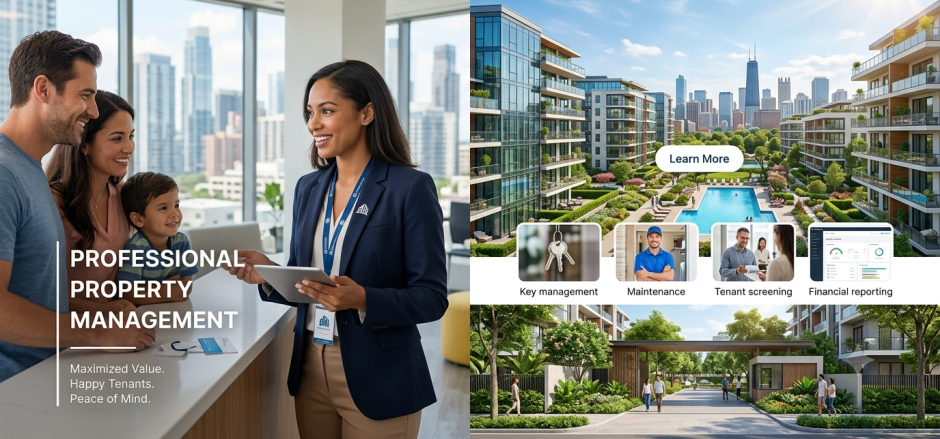
Managing a rental property can be one of the most reliable strategies for building long-term wealth. However, turning real estate into a passive income stream requires strategic management.
Whether you are a first-time landlord or an experienced investor managing a growing portfolio, simple oversights can lead to severe financial losses, legal headaches, and vacant units.
To protect your investment and maintain a profitable cash flow, avoid these 7 fatal mistakes in managing rental properties.
1. Skipping Thorough Tenant Screening
The rush to fill a vacant unit quickly often causes landlords to accept the first applicant who shows interest. Rushing this process without proper due diligence is a primary cause of non-payment of rent, property damage, and costly evictions down the line.
How to Avoid It:
- Establish a Standard Application: Require all prospective tenants to fill out a detailed application.
- Conduct Background & Credit Checks: Verify credit history, employment status, criminal records, and prior eviction histories.
- Contact Previous Landlords: Speak with previous property owners (not just the current landlord) to evaluate payment history and cleanliness.
2. Mispricing the Rental Rate
Setting the wrong price point can harm your bottom line in two ways:
- Overpricing leads to extended vacancy periods, costing far more than a slightly lower monthly rate.
- Underpricing leaves money on the table and fails to cover rising maintenance, tax, or insurance expenses.
How to Avoid It:
- Perform a Comparative Market Analysis (CMA) by comparing similar properties in your immediate neighborhood.
- Factor in seasonal trends, local amenities, and property condition.
- Adjust rates according to current market demand rather than emotional sentiment.
3. Neglecting Routine & Deferred Maintenance
Ignoring minor repairs—such as a slow pipe leak, roof tile damage, or HVAC servicing—can turn small expenses into major structural disasters. Furthermore, deferred maintenance alienates good tenants, leading to high turnover rates.
How to Avoid It:
- Establish a reserve fund (typically 1–2% of the property value or 10–15% of monthly rental income) dedicated strictly to repairs and maintenance.
- Conduct seasonal or semi-annual walkthrough inspections.
- Address tenant repair requests promptly to build trust and preserve property value.
4. Using Incomplete or Generic Lease Agreements
Relying on verbal promises or downloading outdated, generic lease templates off the internet leaves you legally vulnerable. A weak lease agreement fails to establish clear expectations regarding security deposits, late fees, maintenance liabilities, and occupancy limits.
┌─────────────────────────────────────────────────────────────┐
│                 CRITICAL LEASE CLAUSES                      │
├──────────────────────────────┬──────────────────────────────┤
│ Rent Due Dates & Late Fees   │ Property Inspection Rules    │
│ Security Deposit Handling    │ Maintenance Responsibilities │
│ Subletting & Pet Policies    │ Termination Notice Terms     │
└──────────────────────────────┴──────────────────────────────┘
How to Avoid It:
- Draft state-specific lease agreements compliant with current local housing regulations.
- Ensure all terms—such as quiet hours, pet rules, and notice periods—are explicitly written and signed.
- Consult a local real estate attorney or property manager to review contract templates.
5. Ignorance of Landlord-Tenant Laws
Failing to understand federal, state, and municipal housing codes can result in steep legal penalties, severe fines, or thrown-out eviction cases.
Common legal pitfalls include:
- Violating Fair Housing Act guidelines during tenant screening.
- Improperly withholding or handling security deposits.
- Violating tenant privacy rights by entering the property without required notice.
How to Avoid It:
- Familiarize yourself with local rent control regulations, habitability standards, and security deposit holding rules.
- Give written advance notice (usually 24 to 48 hours) before entering the premises.
6. Treating Property Management as a Personal Relationship
Being friendly with tenants is great, but blurring the lines between business and friendship can jeopardize your operations. Becoming overly personal often leads to lenient policy enforcement, unpaid rent excuses, or uncollected late fees.
How to Avoid It:
- Maintain professional boundaries while remaining approachable and respectful.
- Apply lease rules and late penalties consistently to all tenants without bias.
- Document all communications in writing (via email or a tenant portal) to maintain a clear paper trail.
7. Attempting to Do Everything Yourself (DIY Overload)
Many landlords believe self-managing is the only way to maximize profits. However, handling 24/7 maintenance emergencies, tenant disputes, marketing, legal filings, and accounting quickly leads to burnout and costly mistakes.
How to Avoid It:
- Build a reliable network of licensed contractors, plumbers, and electricians.
- Utilize modern property management software to automate rent collection and maintenance logging.
- Consider hiring a professional property management company to handle day-to-day operations seamlessly.
Summary Checklist
| Fatal Mistake | Recommended Action |
| Inadequate Screening | Perform background, credit, and reference checks. |
| Incorrect Pricing | Conduct market research with local comps. |
| Deferred Maintenance | Set aside a 1–2% emergency maintenance fund. |
| Weak Leases | Use legally compliant, state-specific contracts. |
| Legal Ignorance | Study Fair Housing Laws and tenant rights. |
| Emotional Management | Treat management strictly as a business. |
| DIY Burnout | Delegate tasks or partner with professional property managers. |
Useful Resources & References
For further reading on landlord-tenant guidelines, legal standards, and professional management strategies: