Property ownership can be one of the most effective ways to build long-term wealth, but protecting that wealth requires more than simply collecting rent. A strong property management strategy is essential for maintaining tenant satisfaction, reducing costly repairs, and keeping asset values high over time.
Whether you own a single rental home or a growing portfolio, effective property management helps preserve the condition of your investment while improving profitability. From tenant screening and maintenance planning to legal compliance and financial oversight, every detail matters when it comes to protecting property value.
1. Start with Careful Tenant Screening
The foundation of successful property management begins with choosing the right tenants. A thorough screening process should include credit checks, employment verification, rental history, and background reviews.
Reliable tenants are more likely to pay on time, respect the property, and stay longer, which helps reduce turnover, vacancy losses, and unnecessary wear and tear. Strong tenant selection is one of the most important ways to keep asset values high.
2. Maintain Consistent Rent Collection
Stable cash flow is critical for any property owner. Late or missed rent payments can quickly affect profitability and make it harder to cover maintenance, taxes, and other operating expenses.
Using automated rent collection systems, clear lease terms, and timely reminders helps ensure payments are received consistently. Efficient rent collection also creates a more professional experience for tenants and reduces administrative stress for owners.
3. Prioritize Preventative Maintenance
Regular maintenance is one of the best ways to protect a property’s long-term value. Small issues such as leaks, HVAC problems, or damaged fixtures can become expensive repairs if they are ignored.
Preventative maintenance, routine inspections, and prompt repairs help preserve the condition of the property and improve tenant satisfaction. Well-maintained properties also attract better tenants and support stronger rental rates.
4. Stay Compliant with Property Laws
Property owners must follow local, state, and federal regulations related to leases, deposits, inspections, fair housing, and eviction procedures. Failing to comply can lead to legal disputes, fines, and unnecessary financial risk.
A professional property management approach helps ensure that all documentation, notices, and procedures are handled correctly. Staying compliant protects both the owner and the long-term value of the asset.
5. Work with a Professional Property Management Company
Managing a property takes time, organization, and expertise. For many owners, partnering with a professional property management company is the most effective way to protect their investment and reduce stress.
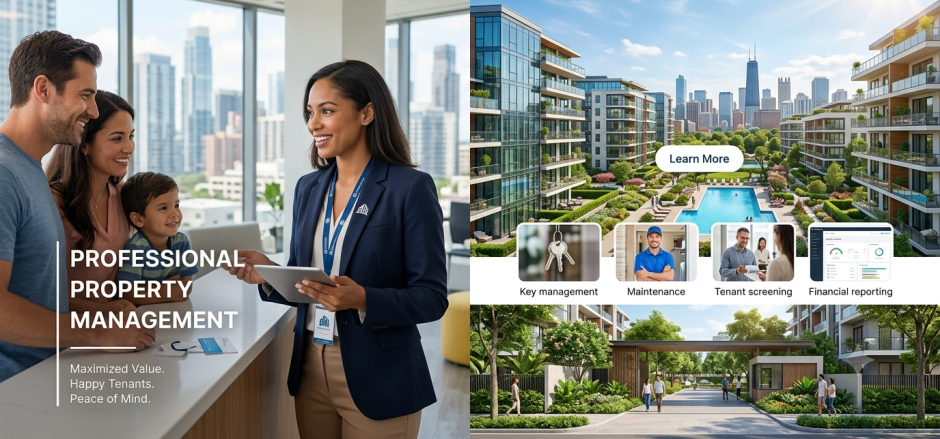
Property managers handle tenant screening, rent collection, maintenance coordination, inspections, lease administration, and legal compliance. Their experience helps improve efficiency, reduce vacancies, and maintain the property’s condition, all of which contribute to stronger asset values over time.
Tips for Keeping Property Values High
- Keep the property clean, updated, and well-maintained.
- Respond quickly to tenant concerns and repair requests.
- Review rental pricing regularly to stay competitive in the market.
- Conduct routine inspections to identify issues early.
- Invest in professional management to improve operations and reduce risk.
Keeping asset values high requires more than basic oversight. It demands a proactive property management strategy that protects the property, supports tenant retention, and minimizes costly mistakes. With the right systems in place, property owners can improve profitability while preserving long-term value.
If you are looking for expert support, visit Property Management Services to learn how professional management can help protect your investment and keep asset values high